



3 Nights / 4 Days
Parsa Wildlife National Park is located in the southern Terai lowlands of Nepal, spanning across Parsa, Makwanpur, and Bara districts. It covers approximately 637 square kilometers and was declared a national park in 2017, having previously been a wildlife reserve since 1984. The park is contiguous with Chitwan National Park to the west and forms part of a larger protected landscape.
Jungle safaris in Parsa are less developed and commercialized than neighboring Chitwan, offering a more remote wilderness experience.
Day 1 — Pokhara to Amlekhgunj | Arrival & Welcome
The journey begins morning around 8am from Pokhara, boarding a comfortable tourist bus along the Prithvi and Mahendra highways. The roughly 6 hour drive rolls through the Terai flatlands as the landscape shifts from mountain foothills into the lush, warm lowlands of the inner Terai. Arrival at Amlekhgunj by afternoon.
After checking into the resort on the fringes of Parsa National Park, the afternoon is kept light — a short orientation walk around the resort grounds, a briefing from your guide about the park's wildlife rules.
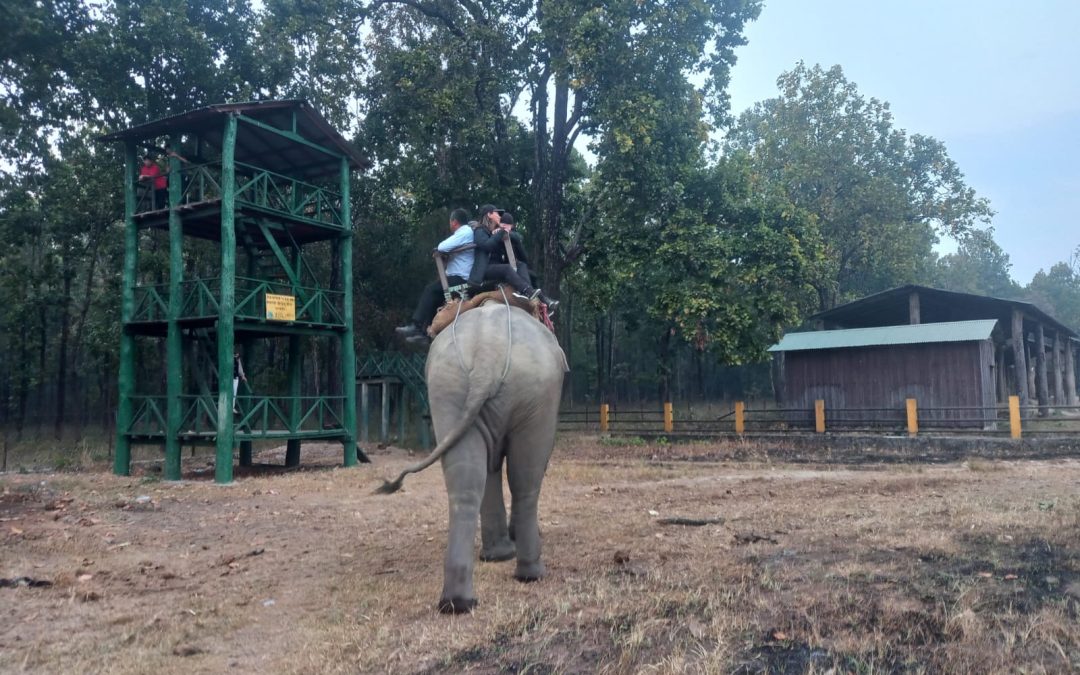
Day 2: Early morning around 6:30, we went to National park for elephant ride. It was beautiful morning, great Sun light. The color of jungle was vibrant and magnificent with the morning light. We spotted few Nilgain( Blue bull), samba deer. As we were waiting near pond, the bunch of spotted deer came to drink water. It was beautiful sight to see. We ride deeper into the jungle, the experience was adventurous. We ride for 3 hours.
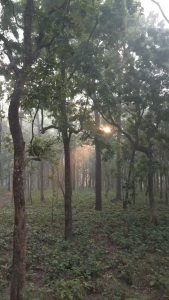
Around 10:30am, We reached hotel and had a breakfast and went for hiking to Siddha Baba temple, which is one of the sacred place. It was total of about 2 hours walk by the dry riverside and inside the jungle, where it brings joy on bird watching session in the late morning. Parsa is home to over 300 bird species, and February sits at the heart of the winter migratory season. We hike up to the hill, from top we can see 360° view of Amlekhgunj, Parsa.
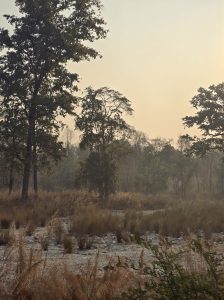
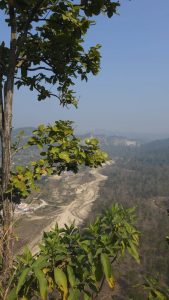
After the hike, we came down to hotel for lunch and rest for a while and also get excited for the evening elephant ride. Around 4:00pm, We went to Parsa National Park for our evening elephant ride. Late afternoon is when the wildlife is more active and chances to see more animals. We saw spotted deer, peacock, wild chicken, Nilgain( Blue bull. We even went to see man eaten tiger which was caged inside the Parsa National Park. The tiger has been recently caged as he had killed 4 human near the forest. As a consequence, nature walk around buffer area has been stopped for a while.
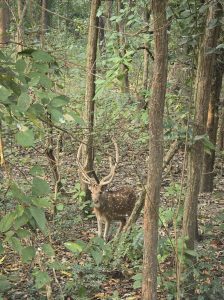
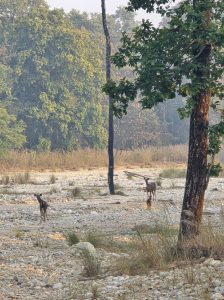
We visit elephant breeding center, learn about elephant conservation efforts, observed elephants during feeding time. We also get a chance to feed their favorite snack. Overnight Amlekhgunj.
Day 3: Today is the day for Jeep safari. We went to National Park early morning. We took a permit and ready for our 4WD jeep safari with experienced guide. The morning begins with a jeep safari through the sal forest and grassland corridors that Parsa is known for. Unlike its more famous neighbor Chitwan, Parsa retains a raw, uncrowded wilderness.
February mornings in Parsa are cool and misty — perfect for wildlife. As we enter the park, we spotted bunch of spotted deer which is called chital in Nepali. During our morning ride, we saw samba deer, spotted deer, wild boar, wild chicken, peahen.
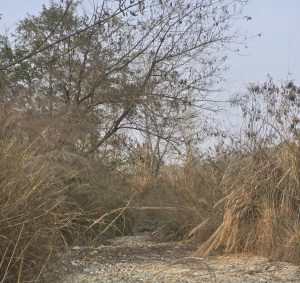
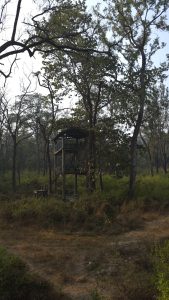
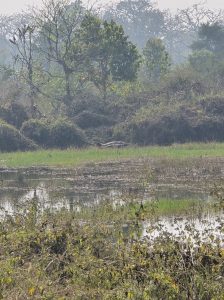
We stop at machan (elevated watch platform) for bird watching. We had a coffee break on a machan overlooking a watering hole — a quiet, breathtaking minutes where patience was rewarded. Around 11pm, we had our late breakfast nearby dry riverside where there was a Hattisar(elephant shelter). We were also able to spot various birds. After breakfast, we hike into the forest where there is a temple called Dhudheshwore mandir, a shiva temple. While walking through the forest trail, we spotted many langoors over the trees. We also saw crocodiles by the pond basking on the sun.
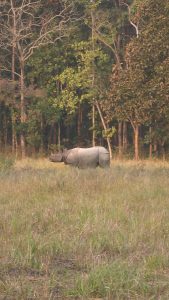
After the walk, we continued our jeep safari till late afternoon, when we were lucky enough to spot one horn rhino in the grassland with sunset backdrop. It was always overwhelm to witness a unique animal. Return to the resort by dusk for a hot shower, dinner, and campfire conversation about the day's sightings. Overnight Amlekhgunj.
Day 4 — Departure | Amlekhgunj to Simra Airport to Kathmandu
After a final breakfast, bags are packed and the vehicle departs for Simra Airport, roughly 20–30 minutes from Amlekhgunj.
The domestic terminal at Simra is small and unhurried. Check-in is quick, and the short 20-minute flight to Kathmandu. Overnight KTM.
Best Season to Visit
The ideal time to visit Parsa is October to March (autumn and winter).
During these months: Weather is pleasant with clear skies and moderate temperatures.
Wildlife is easier to spot as animals congregate around water sources.
Temperature ranges from 10°C to 25°C
Avoid the monsoon season (June to September) when heavy rains make roads difficult to navigate and many areas become inaccessible. Summer (April-May) can be extremely hot, with temperatures exceeding 40°C.
Parsa is home to diverse fauna including:
Major Mammals:
Bengal tiger
Asian elephant (wild herds)
One-horned rhinoceros (though less common than in Chitwan)
Leopard, Sloth bear, Wild boar
Four species of deer (spotted deer/chital, sambar, hog deer, barking deer)
Blue bull (nilgai), Gaur (wild bison)
Birds: Over 300 species have been recorded, including peacocks, hornbills, parakeets, woodpeckers, and various waterfowl.
Reptiles: Gharial crocodile, marsh mugger crocodile, and various snake species.
Vegetation
The park features tropical and subtropical forests with distinct zones:
Sal forests: Dominated by sal trees (Shorea robusta), covering most of the park
Mixed hardwood forests: Including species like Terminalia and Lagerstroemia
Riverine forests: Along watercourses with silk cotton trees
Grasslands: Patches of tall elephant grass (saccharum spontaneum)
Khair-sissoo forests: In riparian areas
The park contains over 800 plant species, including medicinal plants traditionally used by local communities.